
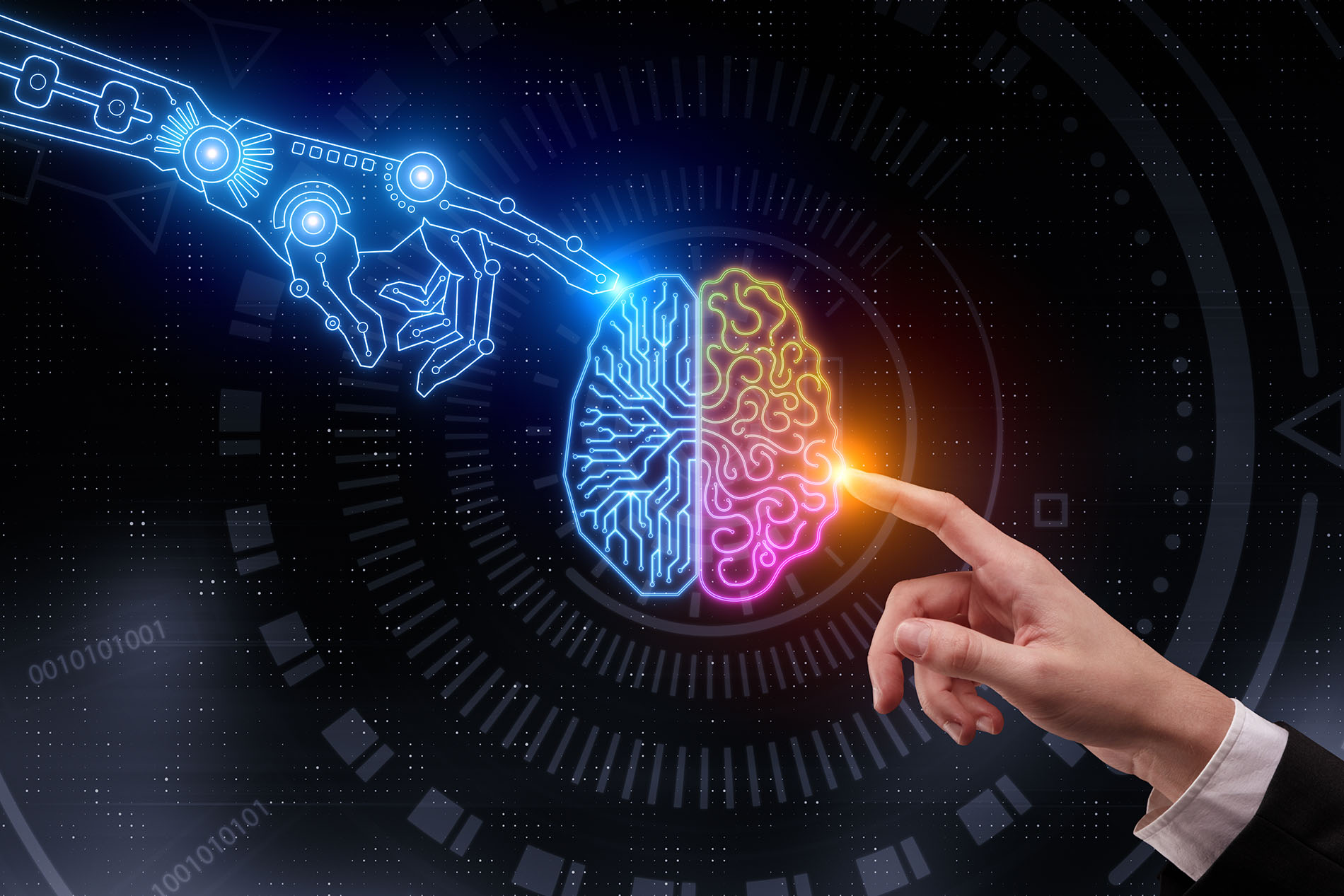
Artificial intelligence (AI) is a trending buzzword across all aspects of our lives. It seems robots, computers, and data-processing clouds will soon be running the world. Thanks to AI technology, Elon Musk thinks it won’t be too long before humans won’t need to work.
The energy sector is not immune to AI’s advances, from energy production to reducing carbon emissions that cause climate change. Join us on an exploration of what artificial intelligence in energy means along the energy chain and how the application of AI may impact everyone’s lives.
Artificial Intelligence in Energy: What Is AI?

In simplistic terms, artificial intelligence defines a computer that can learn from data sets, also known as Big Data. The computer can then make decisions based on that data, changing the actions of systems it controls without the need for human intervention.
These decisions appear to mimic what humans consider intelligence, hence AI’s name. The reality is a little colder than the notion of a friendly, genius computer brain to help solve problems.
AI computers read massive data sets. AI algorithms look for patterns within that data. Neural networks within the AI computer make their choices based on these patterns, called deep learning. AI can adapt to new scenarios and incorporate perception, reasoning, and planning into its decision-making. Our brains undergo similar decision-making processes through our own neural networks.
AI networks learn how to interpret and act upon real-time and historical data. This has led to AI-based search engines, self-driving cars, and even speech-recognition software used by Amazon in its Alexa hub, called regenerative artificial intelligence.
Machine learning, part of the AI family, also processes data with algorithms but develops models for tasks rather than AI’s cognitive thinking capabilities.
Artificial intelligence is a pillar of the Fourth Industrial Revolution, following the first of mechanization, then electricity (second), and automation and IT systems (third). This rapid fourth revolution is already changing society dramatically, including the energy sector.
Why Do We Need Artificial Intelligence in Energy?
The world is steadily transitioning from fossil fuels to renewable energy to combat climate change. Governments and energy generation industries are looking to cut greenhouse gas emissions.
In 2015, almost 200 countries signed the Paris Agreement to limit emissions to restrict the average global temperature increase to 3.6 degrees Fahrenheit (2 degrees Celsius) below pre-industrial levels.
Every aspect of the energy industry requires examining and optimization to achieve this, from the power grid to workflows to energy consumption by people and industry. What AI does is provide a fast and accurate tool to help the energy sector increase productivity and efficiency while protecting profitability.
What Are the Benefits of AI in the Energy Industry?

The energy sector is a bafflingly complex and interconnected system. Energy supply and demand must be constantly balanced to keep the lights on through storms, heat waves, and many other scenarios.
The energy transition to renewable energy sources further complicates matters. Fossil fuel power plants may spew emissions into the atmosphere but usually provide a reliable energy source. Renewables like solar power and wind are cleaner for the environment but tend to be more intermittent, depending on the weather.
Artificial intelligence in energy is an opportunity to bring the energy industry together and reimagine it. Experts think AI will boost energy sector productivity by up to 20% while reducing maintenance costs by 10%.

Managing the Power Grid with Artificial Intelligence
Real-time balancing of power generation and supply in power grids is an unenviable task with an ever-more complex energy system evolving. Failure to manage this system may result in rolling blackouts.
Energy grids increasingly use AI as the hub for grid management. The central AI brain connects:
- Industry and factories
- Smart homes
- Power plants
- Smart transport
- Stored energy
- Renewable energy sources like thermal, hydropower, solar, and wind farms
In real time, AI calculates energy generation and demand requirements. It evaluates the energy grid alongside forecasting and load management models. Humans no longer have to perform these tasks, freeing them up for higher-level and more complex decision-making further along the power system chain.
Maintaining and Repairing the Power Grid

AI-powered systems monitor a facility or grid for maintenance issues and repairs. They can even send out robots and drones to fix things, a double bonus when the location is hazardous for humans.
The system’s predictive powers enable preemptive repairs rather than reacting to power failures and costly downtimes. AI can design power plants as well as manage operations and maintenance. Solving problems before they happen benefits energy security, environmental sustainability, and the energy sector’s profitability.
A real-life example is happening in Tatum, Texas. The Martin Lake Power Plant uses AI to maximize the efficiency of its heating systems, reducing its carbon emissions by hundreds of thousands of tons.
Storing and Using Renewable Energy
Renewable energy sources like solar panels, biomass, geothermal, and wind turbines greatly reduce carbon dioxide emissions. However, their intermittent nature means you can’t always predict when the energy will be available. As such, there can either be too much or not enough energy production.
Artificial intelligence in energy generation means more than just looking at real-time electricity generation levels. AI uses weather forecasts to predict anticipated production, infrastructure’s ability to generate, and demand based on similar occasions.
This way, computers know whether to fire up a natural gas power plant, divert excess wind into energy storage for later, or ask industries to lower their energy demands.
AI can also advise where best to build wind or solar farms based on weather predictions and send out drones to look for maintenance issues like cleaning solar panels. It has even closed down wind farms after raising an alarm that migratory birds would fly past the wind turbines and put themselves in danger.
Can Artificial Intelligence Reduce Carbon Emissions?
Artificial intelligence not only helps reduce carbon emissions but also predicts them.
AI uses machine learning to streamline energy generation, reducing waste and storing excess energy. Control of distribution and consumption boosts this energy efficiency, ultimately reducing carbon emissions through reducing energy waste.
For example, AI could automatically change a charging electric car into an energy provider and feed its battery’s stored energy into the grid. It could also switch off natural gas power plants on bright sunny days when solar panels perform well.
AI’s maintenance of equipment and processes also ensures energy production is as clean and efficient as possible, monitoring fossil fuel use and even ensuring carbon capture strategies are followed. Clean energy could be a big beneficiary of AI systems.
Handling Microgrids
A microgrid could be anything from a small solar panel array or individual turbine to a small community hydro plant. Millions of homes and communities now interact with power grids, either pushing electricity into the network, storing it in electric vehicle batteries, or powering pumped hydro storage systems.
Balancing energy usage with microgrid energy generation at such complex levels is impossible for a human but ideally within an AI’s range. This creates a smart grid.
Lower Energy and Utility Bills
The ability to process enormous data sets means AI systems can help people and businesses reduce utility bills. It does this by examining individual energy use.
For example, on a micro level, smart thermostats and home hubs with AI capabilities bring automation and energy efficiency to our homes. They learn our habits and preferences, identifying behavioral patterns from which they can alter our home’s heating, lighting, and cooling settings to minimize energy usage.
Macro-level systems are available for business and industry. Indeed, the entire grid network employs a similar monitoring system.

Energy Security
AI’s constant monitoring of energy supply and demand levels means it can detect and identify anomalies. This is vital for cybersecurity. Sudden changes could be a cyberattack, which the AI can flag or manage to protect an energy company’s assets.
Electric companies’ profitability is also at stake. AI can spot fraudulent activity, such as unusual energy patterns in the grid where a company or person is tapping power from the grid without paying.
Maximizing Energy Resources with Artificial Intelligence
Analyzing the extraction of fossil fuels like oil and natural gas with AI opens up possibilities to maximize production. These finite resources are still essential to the energy mix; artificial intelligence can make the most of what is left.
What Are the Key Challenges of AI in the Energy Sector?
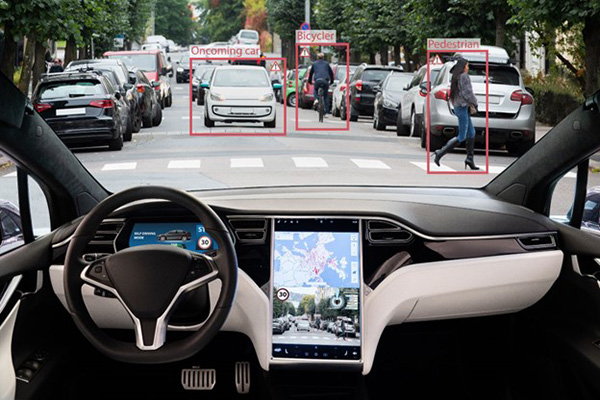
Artificial intelligence in energy is not a panacea. There are many technological and moral hurdles for AI systems to jump before universal rollout.
The first and perhaps largest issue is that many current power grids are unsuitable or need upgrading to support the use of AI, and some grids struggle to incorporate intermittent renewable energy sources.
Other challenges facing AI in the Energy Sector include:
- Lack of big data and historical data for AI to utilize
- Lack of qualified AI experts to monitor implementation
- Infrastructure issues and challenges for non-AI-compatible power grids
- Unforeseen events like earthquakes and wildfires may not be within the AI decision-making range
- Data insecurity and cybersecurity
- Ownership of AI-related choices
- Legal and compliance issues
For example, imagine a self-driving car crashes and injures several people: who is at fault? The person in the car, the car manufacturer, the GPS software operator, the AI system that controlled the car, or the internet provider?
The same blame game would be valid for a power grid blackout, with potentially millions of dollars and thousands of people’s safety at stake. Similarly, hackers might take control of a nuclear power station and destroy it, causing untold damage and pollution.
The Future Has Arrived with Artificial Intelligence in Energy Systems
Artificial intelligence in energy systems, from generation to storage and distribution, appears to be the goose that lays golden eggs. Better productivity, energy efficiency, more clean energy, and higher profitability are all potential windfalls from using AI.
AI systems are already working with humans within the energy system. Mundane tasks flow effortlessly through AI’s neural network, which consumes and interprets big data at a pace no human can replicate.
Furthermore, AI can make decisions, learn from its mistakes, and use reason to reach its conclusions. But, like humans, artificial intelligence doesn’t know everything and isn’t 100% correct or foolproof. Our current homes, businesses, and grids aren’t all AI-ready. Electric grids with AI systems can still suffer from power outages.
Moral minefields and unforeseen circumstances—how much power should AI wield—continue to swirl. All the while, artificial intelligence continues crunching data sets to satisfy its voracious appetite. AI will continue playing a significant role in the energy transition to renewables and a net-zero emissions world. What’s unclear is what that role is and if AI will come up with the solution before slower-moving humans do.
Brought to you by justenergy.com
All images licensed from Adobe Stock.

